University of Florida / Kookmin University ©




Overall Approach
One scheduling concern is that the Indy Light vehicle will not be available to the teams until May 2021 while the race is only five months after that in October 2021. It is true that well designed and tested software could be smoothly transitioned from the dynamic simulator to the vehicle. However, the team believes that it can create a more robust system if software and hardware can be tested together earlier in the competition.
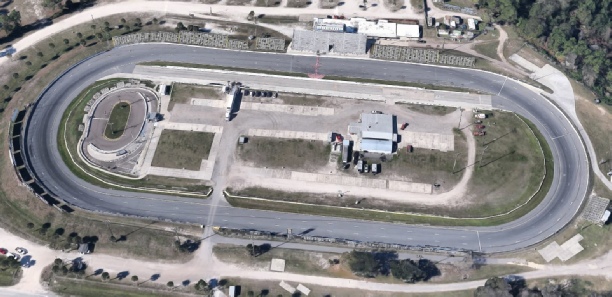
To address this, the team has obtained permission from New Smyrna Speedway to test at their track (see Figure 1). This speedway is 110 miles from the UF campus. It is a half-
Fig 1:New Smyrna Speedway
New Smyrna Speedway
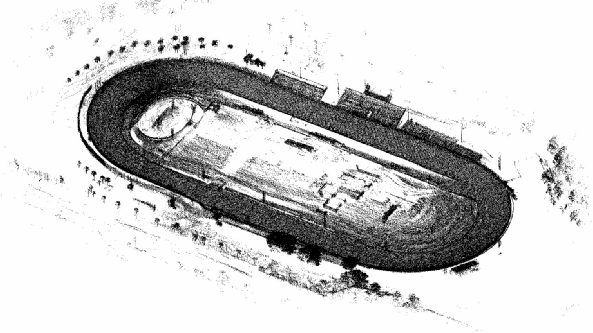
Fig. 2: Point Cloud Data from New Smyrna Speedway
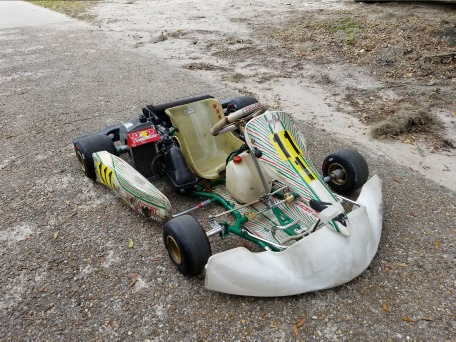
For a test vehicle, UF has purchased a Tony kart go-
Fig. 3: UF Tony-
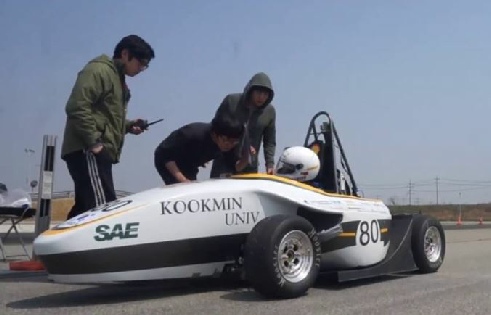
In parallel with this, KU is automating one of their university team’s Formula SAE vehicles (see Figure 4). The schedule is for them to ship the vehicle to UF by Feb 2021 so that two autonomous cars can be tested simultaneously at New Smyrna Speedway. Two cars will allow for testing of the
higher-
Fig 4: Kookmin University SAE Formula Car

Media
| overall_approach |
| slam |